Smooth Sailing with the New Refrigerant R1234yf
Here in Southern Denmark, technological change is often met with a practical mindset: solutions must work, deliver clear benefits, and support long‑term sustainability. In this context, Maersk Container Industry’s (MCI) transition toward the ultra‑low‑GWP refrigerant R1234yf represents a steady and well‑considered step forward for the global cold chain.
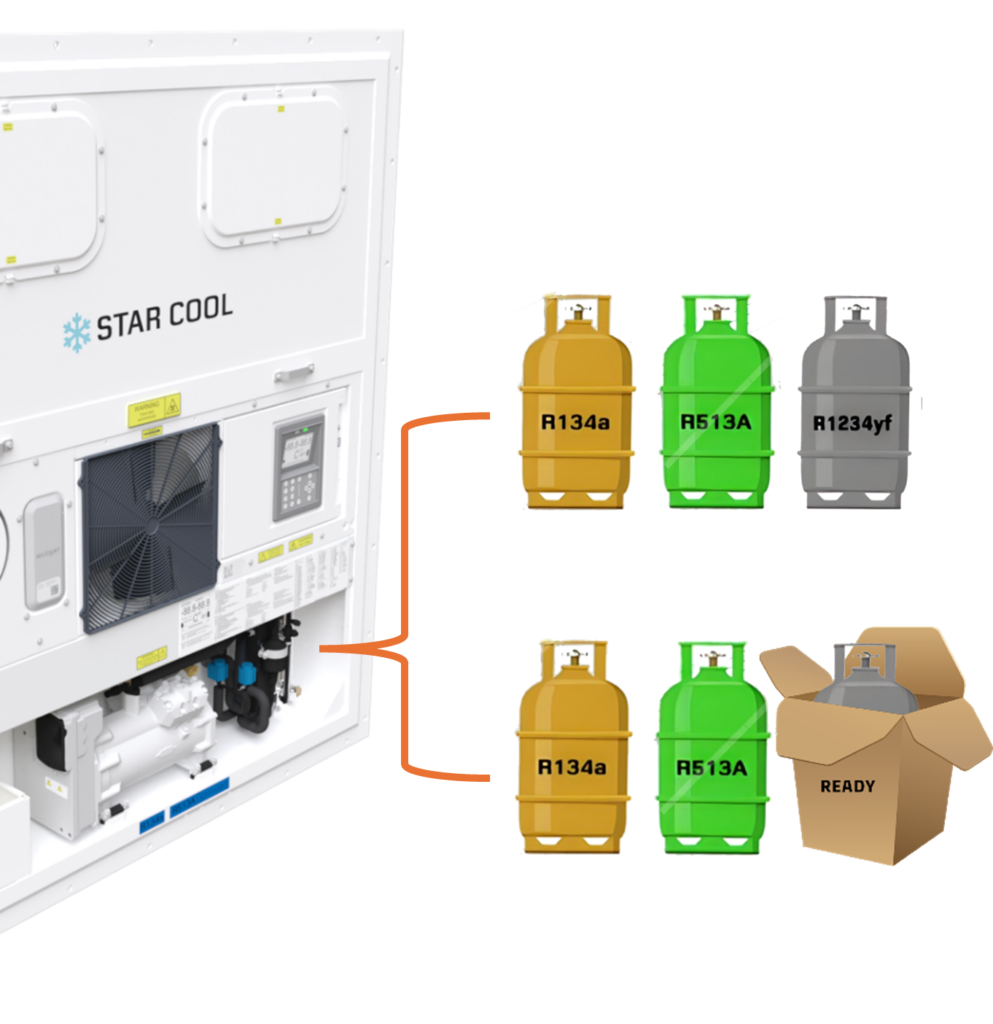
More than one and a half years after the commercial introduction of Star Cool 1.1, experience gathered from operations around the world shows that the technology performs reliably. Today, 20,000 Star Cool 1.1 units operate with R1234yf, and more than 60,000 Star Cool 1.1 units are prepared to use this climate friendly refrigerant in the future.
A Practical Move Toward Lower Climate Impact
R1234yf brings a significant reduction in direct greenhouse gas emissions thanks to its ultra‑low Global Warming Potential (GWP) of 0.5. Its introduction in Star Cool 1.1 builds on an already efficient platform. Both lab tests and large‑scale operational data reported via the built-in power meter and the Sekstant IoT platform confirm energy consumption at around 1.6 kW per hour, matching earlier performance expectations and supporting customers in lowering total energy use.
This pragmatic balance between environmental gains and operational efficiency is part of the reason why R1234yf adoption has gained traction and continues to grow in the reefer segment.
Environmental Regulations and Their Impact on Refrigerant Pricing
Refrigerant prices vary widely across global markets, influenced by regulation, taxation, local availability, and F‑gas policies. This becomes especially clear when comparing R134a with R1234yf. In many countries, R134a is still the lowest‑cost option, often below 10 USD per kilogram in markets such as India, China, and parts of Southeast Asia. However, these prices have already increased significantly compared to just a few years ago, largely due to restrictions on available quantities introduced by the Kigali Amendment to the Montreal Protocol. With further quota reductions scheduled, R134a prices are expected to climb significantly in the coming years.
R1234yf is usually more expensive overall, yet its pricing is far more stable in markets where the use of HFC (Hydrofluorocarbons) refrigerants are being gradually reduced. As production continues to expand and the refrigerant aligns fully with Kigali requirements, R1234yf prices are expected to trend downward over time. In some European markets, this shift is already visible: in Spain, for example, R1234yf at around 65 USD per kilogram is now cheaper than R134a, which has surpassed 69 USD per kilogram. This is largely a result of local taxation on fluorinated gases, which penalizes high‑GWP HFCs.
Even without such additional taxes, market developments suggest that R134a and R1234yf pricing will converge — first in Europe and North America, and later in Asia as regional HFC quotas tighten. For many customers, this makes the transition to R1234yf not only a climate decision but also a strategic move that reduces exposure to rising HFC prices and ensures compliance with future regulatory requirements.
Independently Verified Design and Compliance
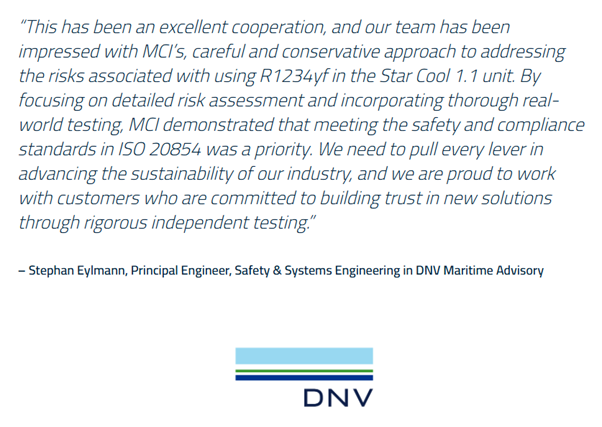
Alongside all environmental benefits, new refrigeration technologies must meet strict international standards. R1234yf is classified as A2L, meaning mildly flammable, and its use is supported by established system design guidelines. For Star Cool 1.1, MCI has followed the requirements defined in ISO 20854, the international standard for refrigeration units using flammable refrigerants.
The complete system design for Star Cool 1.1 has been independently verified by DNV, confirming that the unit meets the applicable standards and requirements for global operation. This verification provides additional confidence for operators adopting the new refrigerant technology.
Automated Factory Charging with R1234yf
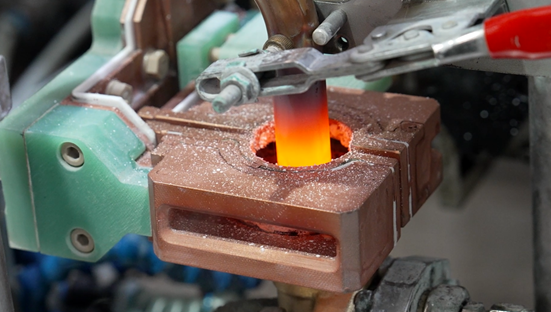
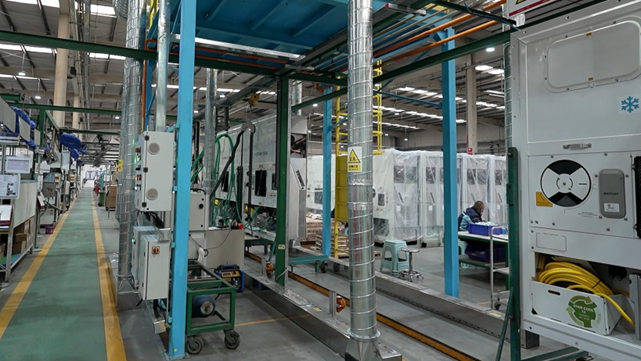
Introducing a new refrigerant at scale also requires robust production processes and consistent quality control. To make factory‑charged R1234yf units possible, MCI developed dedicated charging processes and invested in advanced automation at the MCI Qingdao facility.
This includes precise filling technologies, enhanced leak‑detection procedures, and production systems optimized for A2L refrigerants. With these upgrades, MCI became the first manufacturer to deliver reefer units factory‑charged with R1234yf — eliminating on‑site charging complexity for customers and ensuring consistent quality from day one.
These production capabilities not only support the safe introduction of R1234yf today but also reinforce Star Cool 1.1’s flexibility and readiness for future refrigerant developments.
A Steady Course Ahead
With field‑proven performance, independent safety verification, and growing global adoption, Star Cool 1.1 with R1234yf stands out as a reliable, future‑ready choice for operators seeking to reduce emissions without compromising efficiency. This progression reflects a data‑driven, well‑prepared transition toward a more sustainable cold chain — supported by solid engineering, validated safety, and comprehensive training.